Tech in Control: Why 2026 Looks Different
AI has quietly moved out of the lab and into the wiring of everyday operations. It’s not hype anymore it’s infrastructure. From small startups to global supply chains, AI isn’t just plugged in, it’s running the show. Decision making that used to take days now happens in seconds, driven by models that are always learning, always optimizing.
Meanwhile, robotics have broken out of the assembly line. Autonomous machines don’t just build to deliver, clean, drive, even assist in surgery. The hardware is smarter, cheaper, and mobile. This means industries that never used robotics before health, retail, agriculture are diving in.
What really makes 2026 different is the speed. Real time everything. Machines that can adapt as events unfold. For businesses, that means fewer buffers, faster pivots, and tighter feedback loops. For humans, it means learning to work with systems that don’t sleep.
Manufacturing: Automation on Steroids
Factories in 2026 don’t sleep. AI now controls entire production lines, running 24/7 with minimal human intervention. Sensors track every movement, and the system constantly adjusts for peak efficiency less waste, faster output. It’s not about cramming in more robots; it’s about letting smart algorithms orchestrate the entire show, from raw material intake to final packaging.
Downtime used to be a costly inevitability. Not anymore. Predictive maintenance powered by machine learning spots failing parts before they cause a problem. Repairs happen proactively, not reactively. The result? A serious cut in disruptions and costs.
And those human jobs? They’re not gone they’ve shifted. Line workers are becoming process supervisors and data interpreters. They oversee the systems, troubleshoot exceptions, and look for optimization opportunities the machines might miss. Less wrench turning, more thinking. The factory floor has become less about muscle, more about strategy.
Healthcare: From Assistive to Autonomous
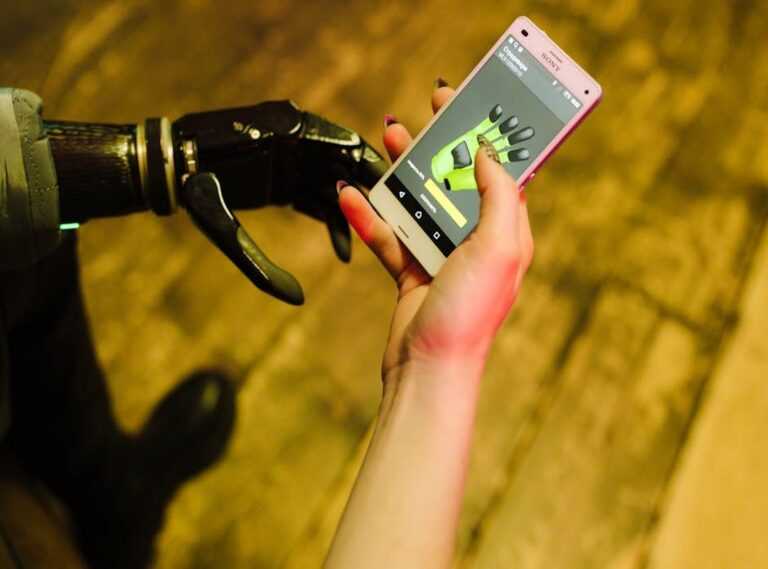
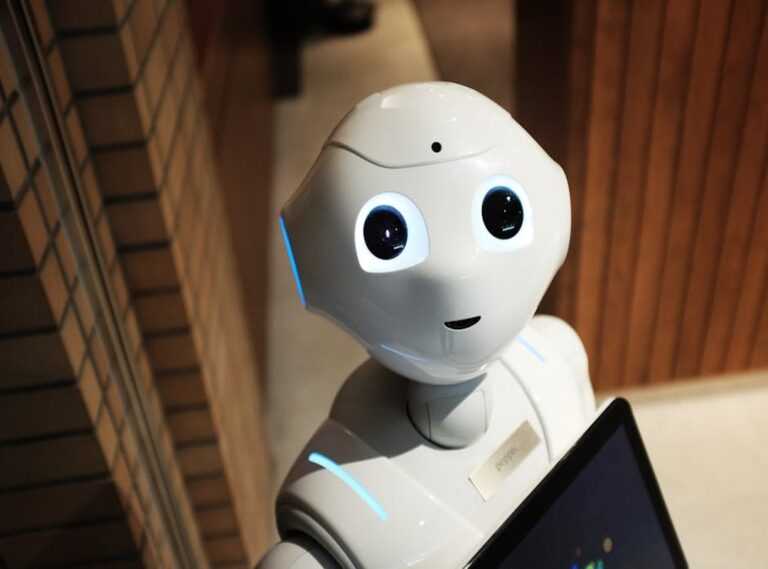
In 2026, AI and robotics aren’t just supporting healthcare they’re actively driving it. Surgical robots now handle procedures with precision no human hand can match, from micro incisions in neurology to assisted orthopedic surgeries that cut recovery times in half. In elder care, humanoid and semi autonomous assistive robots are helping with daily mobility, medication reminders, and round the clock monitoring freeing up human caregivers for higher level interaction.
But the real shift is happening before a patient even sees a doctor. AI diagnostics have broken out of labs and landed in frontline clinics. They scan symptoms, cross check histories, and prioritize cases, often alerting care teams faster than traditional intake. Add in smart triage systems, and you’re looking at a world where minutes not days determine the start of treatment.
Speed is the new standard. Efficient is the new baseline. And intelligent tools aren’t optional they’re expected. The future of care is still human, but with a lot more machine in the mix.
(Learn more: AI in digital transformation)
Retail & Logistics: Instant Everything

In 2026, retail and logistics are built on instant intelligence. With AI and robotics integrated into nearly every aspect of the supply chain, industries are delivering faster, smarter, and with less waste.
Smarter Supply Chains
Modern supply networks are now driven by real time data and AI powered optimization.
Predictive logistics anticipate inventory needs before shortages occur
Machine learning algorithms forecast demand and reorder products automatically
Waste reduction is achieved through intelligent routing and surplus management
These enhancements not only streamline operations but also significantly lower costs and environmental impact.
Frictionless Retail Experiences
Automation has revolutionized the in store experience for both customers and store operators.
Smart shelves monitor stock levels and alert staff or reorder autonomously
Checkout free stores use sensors and AI vision to track purchases, allowing walk in, walk out convenience
Customer data integrations personalize in store advertisements and promotions in real time
Retailers are finding new ways to reduce friction, enhance personalization, and free up staff to focus on higher value customer service roles.
Scaling Last Mile Delivery
Delivery logistics has always been the bottleneck but not anymore. Robotics and automation are reimagining how products reach homes.
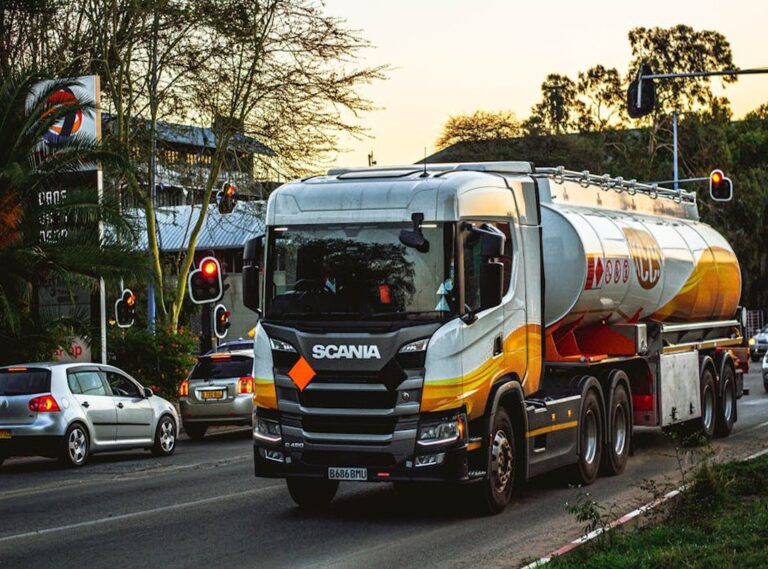
Autonomous delivery trucks are now common for highway transport, reducing human labor and fuel inefficiencies
Delivery drones expand last mile reach in both urban and remote areas
Smart routing systems dynamically adjust paths based on traffic, weather, and time critical demand
By integrating AI at every layer, delivery is becoming not just faster, but also more adaptable and cost effective.
Retail and logistics in 2026 are no longer about moving goods from point A to B they’re about moving them with intelligence, precision, and minimal human friction.
Finance: Risk, Managed by Code
Artificial intelligence is redefining the financial sector by removing outdated systems and introducing precision, adaptability, and scale. In 2026, financial institutions are relying on AI not just to analyze numbers but to reshape how risk is evaluated and investments are made.
Smarter Credit with AI Models
Traditional credit scoring systems often relied on rigid variables such as income, age, and payment history. But modern AI models bring in a wider range of data points and behavioral patterns, creating more accurate and fair credit decisions.
AI assesses non traditional data like spending habits, mobile usage, and even social signals
Lending decisions are becoming faster and more inclusive
Credit risk is recalculated in real time, allowing dynamic approvals
Real Time Fraud Detection is the New Standard
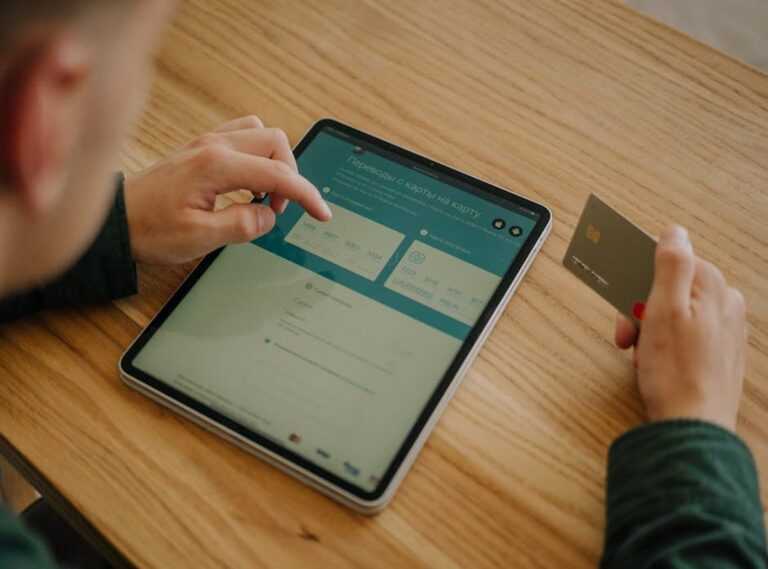
Financial fraud isn’t slowing down but with AI in place, it’s being stopped before it starts. Real time analysis of transactional data allows systems to flag anomalies instantly without slowing down the user experience.
AI models analyze thousands of transactions per second
Unusual behavior triggers instant alerts and interventions
Less friction for legitimate purchases, stronger security behind the scenes
Personalized Investment, Powered by Algorithms
Gone are the days of one size fits all portfolios. AI can now tailor investment strategies at scale, offering personalized financial guidance for individuals whether they’re seasoned investors or just getting started.
Algorithms adapt to user goals, risk profiles, and market trends
Portfolio adjustments happen instantly in response to real time data
Democratization of financial planning AI makes expert level strategy available to all
The result? A financial ecosystem that runs more efficiently, anticipates risks instead of reacting to them, and delivers customized experiences at every level.
Agriculture & Energy: Smarter Fields, Greener Grids
Out in the fields, the machines never sleep. Robotic systems now monitor, water, prune, and harvest around the clock. Camera guided tractors plant with centimeter precision. Aerial drones scan for disease and dehydration instantly. This isn’t the future it’s happening now, and it’s scaling fast.
AI adds another layer. Predictive models crunch data from satellites, soil sensors, and supply chains to forecast not just the weather, but which crops will be in highest demand and when. This means fewer wasted resources and higher profits for those tuned in.
Meanwhile, energy grids are getting smarter and greener. AI controlled systems balance loads across solar, wind, and traditional sources in real time. Picture a network that adapts minute by minute based on consumption patterns, weather forecasts, and energy pricing. The goal is stability and sustainability more power, less guesswork.
This shift isn’t subtle. It’s a quiet revolution that doesn’t just automate it optimizes.
Workplace Realities: Humans Still Needed
Despite all the algorithms and machines doing the heavy lifting, 2026 isn’t a human free future. In fact, the roles that can’t be boxed into code like creative thinking, strategic planning, and emotional intelligence are becoming more valuable. If it needs nuance or original thought, it still needs a person.
Across the board, reskilling is no longer optional. Industries are investing in people who can pivot coders who can lead, marketers who understand machine learning basics, nurses who can work alongside diagnostic AI. The tools are evolving, and so must the talent.
Most workplaces now operate in a ‘copilot culture.’ Human workers aren’t replaced; they’re getting augmented. AI drafts content, employees refine it. Algorithms flag insights, strategists apply the context. It’s not man vs. machine it’s man and machine, in sync.
For more on how industries are adapting, check out AI in digital transformation.
No Signs of Slowing Down
By 2026, the divide is clear: industries that adopt tech aggressively are pulling ahead. They’re leaner, faster, and more adaptable. Whether it’s cutting costs, scaling faster, or reacting in real time AI and robotics are the edge. The laggards? Still tangled in processes that can’t keep up.
But speed isn’t everything. With complex systems making decisions at scale, the pressure is on to install rock solid ethical frameworks. Biases, data misuse, privacy slips failing to address these opens the door to real consequences. Companies that thread tech with responsibility will be the ones that last.
Being ready for the future doesn’t just mean buying software. It means embedding AI literacy into every level of the organization. From frontline managers to C suites, those who speak machine and ethics are writing the next playbook.