Smarter Living, One Device at a Time
The modern home isn’t what it used to be. It’s not just about Wi Fi and a decent TV anymore. Today, it’s about devices that talk to each other, automate your routine, and actually make daily life easier. From waking up to lights that mimic the sunrise to locking your front door with a voice command, convenience has gone from luxury to standard issue.
This shift is more than cool gadgets it’s a practical lifestyle upgrade. With energy costs rising and schedules packed tight, smart homes help people save time, cut bills, and stay safer. Automation handles the background noise of life so you can focus on what actually matters.
That said, not all smart gear is created equal. Quality tech should be easy to set up, reliable over time, and compatible with the platforms you already use (think Alexa, Google Assistant, Apple HomeKit). Longevity matters too: look for devices that get regular software updates and support future integrations.
Want to see where all this is headed? Take a look at the full smart home revolution.
Smart Speakers and Voice Assistants
If your house doesn’t talk back yet, it’s probably time. Smart speakers like Amazon Echo (Alexa), Google Nest Audio, and Apple HomePod have moved beyond novelty they’re central hubs of the modern connected home. Their main strength? Simplicity. Ask them to dim the lights, turn up the music, or set a kitchen timer, and it just happens. No buttons, no fuss.
But they go deeper than that. These assistants are built to learn your habits. Use routines to get more done with less thought: a single command like “Good morning” can trigger lights, weather, news, and even start the coffee. Set up bedtime automation where lights fade, doors lock, and white noise starts up all without lifting a finger.
You don’t need fancy skills to make it work either. Each platform has an app that makes building and tweaking routines surprisingly easy. Once you’ve got the basics down, it’s the kind of setup you’ll wonder how you lived without.
Smart Plugs and Switches
Not everything in your home has to be “smart” out of the box. That’s where smart plugs and switches come in they’re simple upgrades that give older appliances a digital brain. Plug in a lamp, coffee maker, or fan, and suddenly you’re scheduling power cycles or controlling them remotely from your phone.
They also help cut energy waste. Forgot to turn off your space heater before leaving the house? No problem. Apps tied to plugs like TP Link Kasa, Wemo Mini, or Lutron Caseta let you shut things down on the go, or set automation rules to keep energy use in check.
Setup is usually plug and play literally. Great for renters or anyone not ready to rewire their whole house. If you’re easing into smart home life, this is one of the lowest cost, highest payoff steps to take.
Smart Thermostats
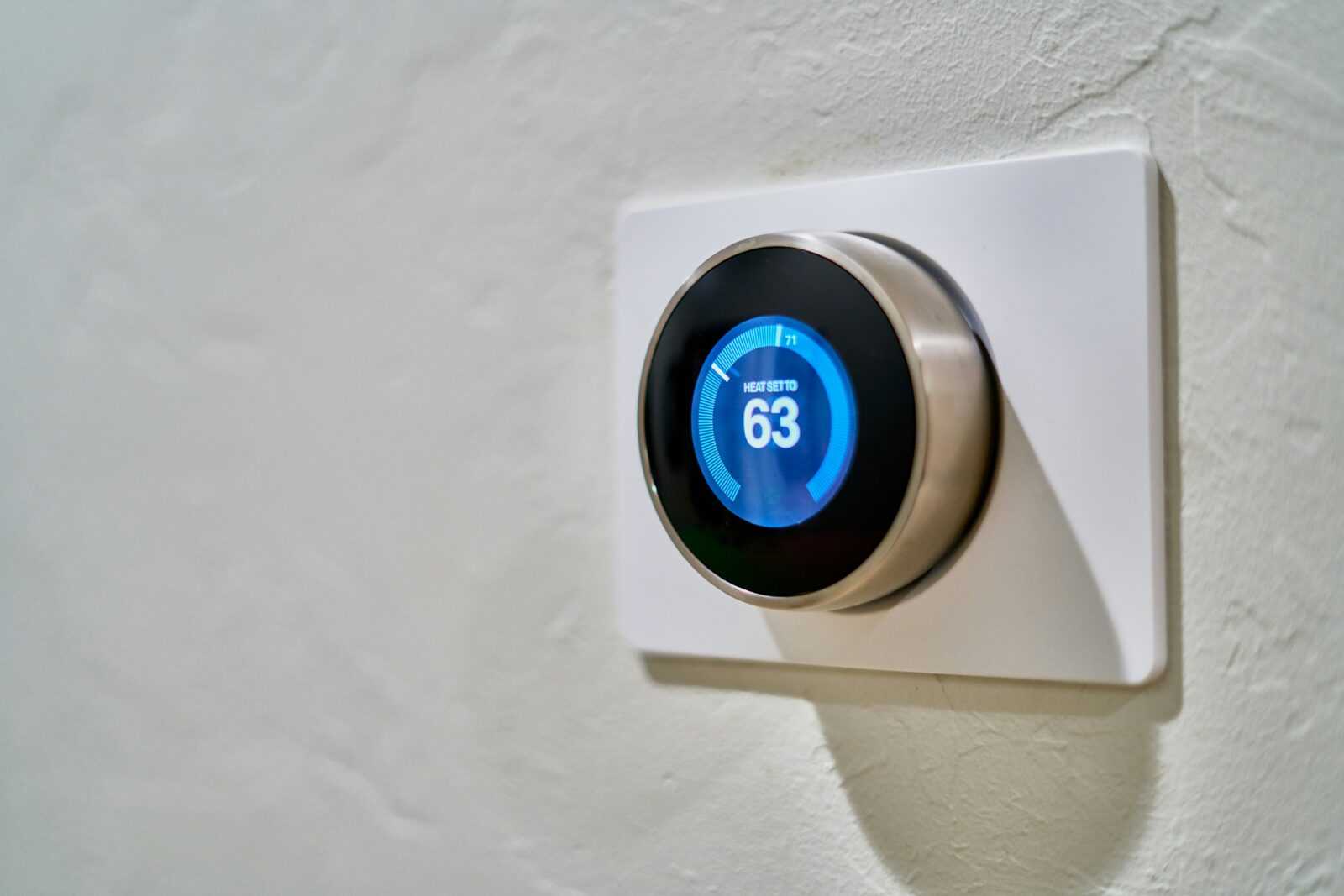
Upgrade your comfort and cut unnecessary costs with smart thermostats. These intelligent devices go beyond simple temperature control, learning your habits and optimizing your heating and cooling in real time.
Why Smart Thermostats Are Worth It
Energy Efficiency: By adjusting to your schedule and occupancy, smart thermostats help lower utility bills without sacrificing comfort.
Automation: Set it and forget it thermostats like Nest and ecobee can manage your home’s climate based on your daily routines.
Long Term Savings: Over time, even moderate energy reductions lead to noticeable savings.
Top Features to Look For
Learning Capabilities: Devices such as Nest use AI to learn your temperature preferences and automatically make adjustments.
Remote Access: Control your thermostat from anywhere using your smartphone.
Weather Integration: Some advanced models pull local weather data to preemptively adjust heating or cooling.
Occupancy Detection: Built in sensors track room usage to avoid wasting energy in empty spaces.
Recommended Brands
Google Nest: A leading name in smart climates, trusted for its sleek design and intelligent learning features.
ecobee: Known for its built in Alexa, smart sensors, and high efficiency ratings.
With the right smart thermostat, you’re not just making your home more comfortable you’re making it smarter, greener, and more cost effective.
Smart Security Essentials
Security gear is no longer just about hardwired alarms and beware of dog signs. Today’s smart homes lean on connected devices that give you real time control and peace of mind, right from your phone.
Start at the front door. Video doorbells like the Ring, Arlo, and Google Nest Doorbell let you see who’s there whether you’re upstairs or across the globe. Motion detection, two way audio, and app alerts keep you plugged in even when you’re off the grid.
Next, cover your perimeter. Indoor and outdoor smart cameras are getting sharper, smarter, and easier to install. Look for features like smart alerts (so you’re notified about things that matter, not waving trees), cloud storage, and integrations with other smart home platforms.
Don’t forget about access control. Smart locks let you create guest codes, check if the door’s locked, or even auto lock behind you all from an app. Add in motion sensors, and you’ve got a lean system that tracks movement and helps trigger routines (like lights or alerts) when you’re not home.
In short: today’s smart security doesn’t just protect it keeps you connected, aware, and in control.
Smart Lighting Systems
Lighting has evolved far beyond simple on/off switches. In 2024, smart lighting systems are not only about saving energy they’re becoming an extension of your daily rhythm, mood, and even creativity.
Light That Adapts to You
Smart lighting lets you shift the mood of a room based on time of day, activity, or even your music. Advanced systems can automatically adjust brightness and color temperature to match natural sunlight patterns, promoting better sleep and focus.
Wake up gently with sunrise style light in the morning
Wind down with warmer tones in the evening
Sync lighting with your calendar, alarms, or favorite playlists
DIY Kits That Deliver
Whether you’re setting up one room or your entire home, smart lighting kits have become more accessible. The top options offer plug and play simplicity paired with powerful customization.
Popular Brands to Explore:
Philips Hue Offers a wide range of bulb types, bridge based reliability, and broad third party integrations
LIFX High brightness bulbs without a hub, simple app control
Govee Budget friendly light strips and ambient lighting with creative options
Control, Your Way
Smart lighting is all about how you want to interact with your space. Choose the control method that suits your lifestyle:
Voice control through Amazon Alexa, Google Assistant, or Siri
Mobile apps for remote control and automation
Motion sensors to trigger lights upon entering a room
Lighting isn’t just functional anymore it’s flexible, responsive, and an essential part of any connected home.
Final Look: Building It All Together
Smart homes shine brightest when devices work together not in isolated silos. Creating a unified, seamless experience depends on choosing the right ecosystem and understanding how platforms communicate.
Creating Harmony Between Devices
Having devices from different brands doesn’t mean they can’t cooperate. Cross platform systems now make it easier than ever to link up gadgets so they act behind the scenes in coordinated ways.
Top Smart Home Hubs and Platforms:
Apple HomeKit: Prioritizes privacy and integrates smoothly with Siri and Apple devices.
Google Home: Offers a wide range of device compatibility with strong AI powered routines.
Amazon Alexa: Known for its large ecosystem and customizable routines across smart lighting, plugs, locks, and more.
Tips for a Smooth Setup:
Stick with devices that support your primary platform.
Use routines or scenes to group actions (e.g., “Goodnight” to lock doors, turn off lights, and set the thermostat).
Consider adding a central hub (like a smart speaker or display) to simplify daily control.
Future Proofing Your Smart Home
Not all smart devices age well some lose support or stop working with updates. To avoid constant replacements and frustration, build your setup with longevity in mind.
How to Stay Ahead:
Choose devices with wide compatibility. Look for products that support Matter, Zigbee, or multiple platforms for flexibility.
Check for regular firmware updates. Active brands are more likely to patch issues and add new features.
Avoid closed ecosystems that limit your upgrade options in the future.
A smart home should evolve with your needs not become outdated after a year. Investing in well supported, interoperable devices ensures your system grows rather than breaks down.
Want to explore how smart tech is reshaping daily life? Dive deeper into the smart home revolution.






























































































































































































































































































































































































































































































































































































































































































































































































































































































































































































































































































































































































 Gary C. is a forward-thinking technology writer at NextBigTechZone, with a sharp eye for the latest innovations shaping the digital future. His articles break down complex topics in AI, software development, and emerging tech trends into clear and practical insights for readers.